Digital Twin reduces time and carbon
The use of a Digital Twin of a survey can reduce both time and carbon
T
otal
source overcomes
building
original the
digitalisation
need architect to drawings. which may be outdated due to internal changes, and does not rely on conventional manual site measuring systems. which can be time consuming and inaccurate due to human error.
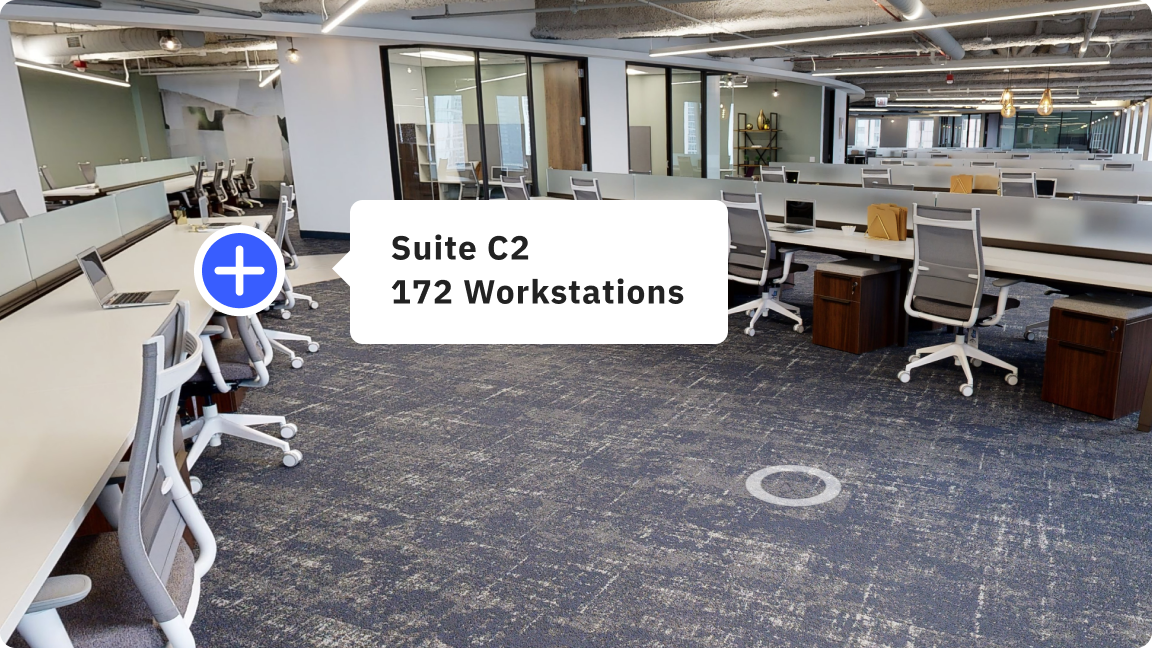
It uses a smart three-dimensional optical scanning system linked to laser-based lidar cameras placed at strategic points within and outside a building. This builds a detailed digital twin of the building by 'stitching together' successive scans, including individual spaces within floors and
any existing HVAC services.
The high-resolution file produced is imported into standard HVAC
design and BIM applications to design a complete building services solution, ensuring all dimensions are accurate and equipment and pipe lengths sized accurately first time.
In addition to their use in HVAC project design, the 30 renders
can be used to create virtual 'walk-throughs' of buildings, with
the ability to accurately measure dimensions. Any building can be
scanned, whether back-to-brick or fully fitted out Buildings do not have to be empty- the process can be carried out on operating buildings,
with an automatic face-blur function ensuring occupant privacy.
A 75% reduction in site visits required by project stakeholders, and a 70% reduction
in survey costs and BIM file creation are the norm.
In addition, three-quarters of project issues can be resolved without escalation.
With the need to improve building efficiency, BIM is increasingly being used across construction planning, particularly on HVAC services
for large public and commercial buildings. As well as saving time
and cost, digital scans can be used as records of pre-existing building condition before commencement
of work on refurbishment projects, enabling any damage caused during work to be fairly apportioned.